Navigating a roofing renovation or replacement project can feel overwhelming without understanding the terminology professionals use. Having a basic knowledge of roofing terms helps you communicate effectively with your contractor, make confident decisions, and ensure your roof remains in excellent condition for years to come. This ultimate roofing glossary breaks down the most important terms every homeowner should know — from materials to structural elements and key features.
Roofing Materials
Roofing materials form the outermost layer of your roof, providing protection and shaping your home’s overall appearance. The right material affects your roof’s longevity, durability, and maintenance needs. Common roofing materials include:
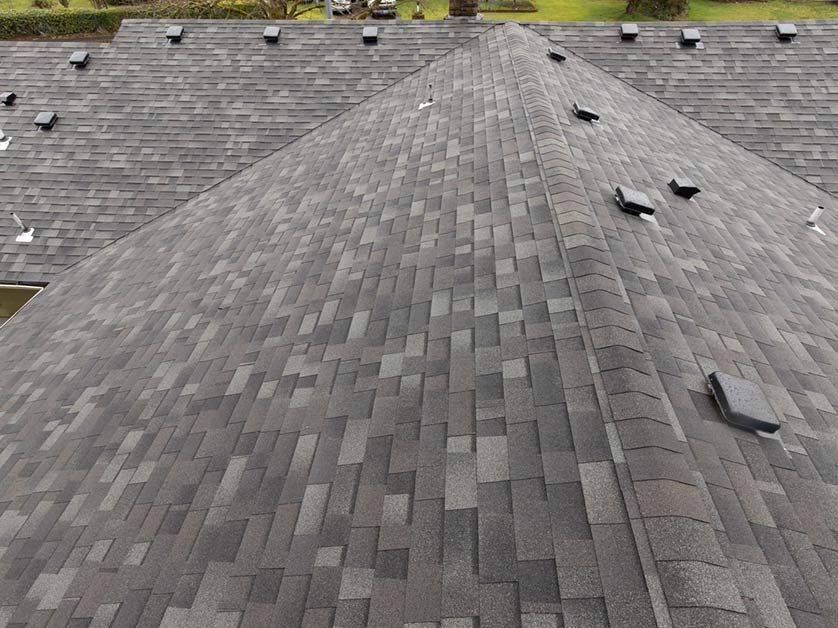
- Asphalt Shingles – The most widely used roofing material, valued for affordability, ease of installation, and a variety of color options.
- Metal Roofing – Durable and energy-efficient, metal roofing reflects sunlight, helping to regulate indoor temperatures and lower energy costs.
- Slate Roofing – Known for its natural beauty and long lifespan, slate offers a high-end finish and excellent weather resistance.
Understanding the pros and cons of each material helps homeowners choose a roofing solution that fits both their aesthetic preferences and budget.
Roof Structure Elements
The strength and stability of your roof depend on its underlying structure. These components form the framework that supports the roofing materials and ensures long-term durability:
- Rafters and Trusses – These are the structural beams that form the skeleton of your roof. Trusses are pre-fabricated triangular units, while rafters are individual beams running from the peak of the roof to the walls. Both must be strong enough to bear the weight of roofing materials and withstand environmental stresses.
- Decking (Sheathing) – This is the solid surface attached to rafters or trusses that serves as the foundation for the roofing materials. It’s commonly made of plywood or oriented strand board (OSB).
- Underlayment – Positioned between the decking and the outer roofing material, the underlayment acts as a protective moisture barrier, preventing water from seeping into your home.
Roofing Features and Accessories
Modern roofs incorporate several important features and accessories that improve performance and protection:
- Flashing – Thin metal strips installed around chimneys, vents, skylights, and valleys to direct water away from vulnerable areas and prevent leaks.
- Gutters and Downspouts – Essential for water management, these systems collect and divert rainwater away from your home’s foundation to prevent erosion and water damage.
- Ventilation – Proper attic ventilation helps regulate temperature and moisture levels, reducing the risk of mold growth, structural damage, and ice dams during winter months.
Importance of Roof Maintenance
Regular roof maintenance is vital for protecting your investment and extending the lifespan of your roof. Homeowners should schedule inspections at least once a year and after major storms to check for damage. Cleaning gutters, removing debris, and ensuring proper attic ventilation also help prevent costly repairs and improve energy efficiency.
Ensuring a Successful Roofing Project in St. Charles, MO
A successful roofing project begins with understanding the basics and working with a trusted contractor. When you understand common roofing terms, you can communicate clearly with your roofer, evaluate your options more effectively, and ensure that your home gets the protection it deserves.
Ready to Transform Your Roof? Contact Renovation Team!
If you’re planning a roof repair, replacement, or upgrade in St. Charles, MO, the experts at Renovation Team are here to help. Our knowledgeable professionals provide high-quality roofing solutions tailored to your home’s needs and the local climate.
Call us today at 636-939-1061 or fill out our online form to schedule your consultation. Let our team deliver the craftsmanship, transparency, and results your home deserves.