
Pest prevention is an important but sometimes overlooked aspect of caring for your home’s siding. Insects and rodents often seek shelter as the seasons change, especially during humid summers and chilly winters. Keeping your siding in good condition can play a key role in deterring unwanted pests from moving in and causing damage. Here’s how to protect your biggest investment year-round.
Understand What Attracts Pests to Siding
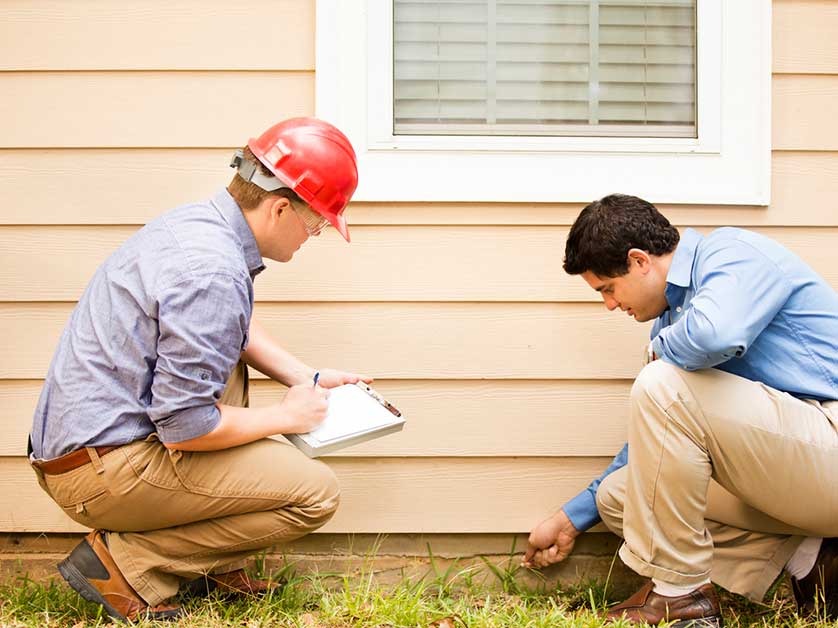
Siding, whether wood or vinyl, can attract a range of pests, including ants, termites, beetles, carpenter bees, and even rodents. Moisture is one of the biggest culprits. Damaged caulking or leaky gutters can cause water accumulation, softening the material and making it easier for pests to invade. Regular home inspections are essential for identifying early signs of potential infestations.
Maintain Clear, Pest-Repelling Landscaping
Landscaping plays a key role in pest prevention. To minimize risk:
- Trim shrubs and tree branches so nothing touches or overhangs your siding.
- Keep mulch, soil, and grass well away from the foundation.
- Remove piles of leaves and other organic debris from around the house.
- Limit dense vegetation that can hold moisture along your exterior.
Doing so not only reduces habitat for insects and rodents but also deters termites and other wood-boring insects that thrive in moist, sheltered areas.
Seal Gaps and Repair Damage Quickly
Siding can develop small cracks, gaps, or holes after seasonal storms or significant temperature changes. These openings can invite pests into your walls. Regular maintenance should include:
- Inspecting siding joints and corners for separations or visible cracks at least twice a year.
- Resealing or recaulking where needed to create a tight barrier.
- Replacing warped or rotted boards, particularly after severe weather or hail.
Homeowners frequently request roofing evaluations in conjunction with siding maintenance, as roof leaks can lead to siding rot, creating an ideal environment for wood-damaging pests. Keeping gutters clear and directing downspouts away from the foundation can also help control excess moisture.
Opt for Quality Materials and Professional Installation
Choosing durable, pest-resistant siding materials, such as fiber cement or engineered wood, is a worthwhile investment. These newer, treated materials provide fewer entry points and less food for termites and woodpeckers. Professional installation is equally important because improperly installed siding can leave hidden gaps that allow pests to enter.
Renovation Team regularly recommends pairing siding updates with roofing services to ensure your entire exterior envelope is properly sealed and draining. When a roof or siding project is completed correctly, both elements help protect one another, significantly reducing the risk of infestation.
Be Proactive with Regular Inspections
The most effective pest prevention strategy is early detection. Schedule exterior evaluations at least once every season and watch for:
- Sawdust piles, which may indicate carpenter ants or carpenter bees
- Discoloration, bubbling, or warping of siding
- Tiny holes appearing in wood or around windows and doors
If you notice any of these warning signs, contact a pest control professional and a siding specialist right away. Prompt action can prevent minor issues from becoming costly repairs.
Contact Renovation Team for Siding and Exterior Solutions
If you are concerned about pests around your property or want to ensure your home’s exterior is prepared for changing seasonal conditions, reach out to Renovation Team. Homeowners in Creve Coeur, MO can rely on our experienced team for high-quality siding, gutter, and roofing services. We provide comprehensive inspections and customized solutions designed to help protect your home and keep it looking its best. Give us a call at (636) 939-1061 or fill out our contact form to get started.